
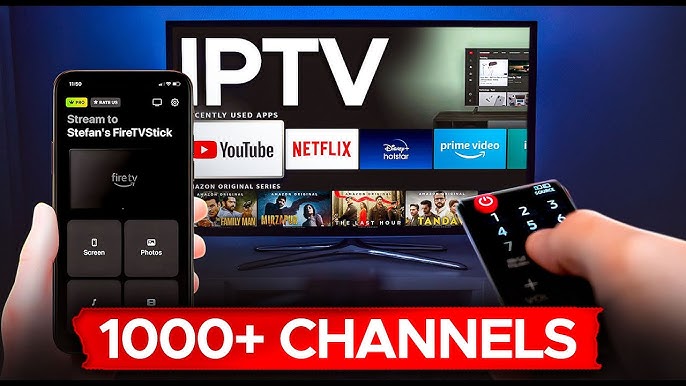
Internet Protocol Television, commonly known as IPTV, is a method of delivering television content through an internet connection rather than traditional cable or satellite systems. Instead of broadcasting channels simultaneously to all users, IPTV streams content directly to individual viewers upon request. This allows for greater flexibility, improved personalization, and access to both live TV and on demand content.
At a technical level, IPTV works by transmitting video data in small packets over IP based networks. These packets are reassembled on the user’s device, allowing smooth playback of live channels, movies, and series. Because IPTV relies on internet infrastructure, the quality of the experience is heavily influenced by connection speed and stability.
There are three primary types of IPTV services. Live IPTV mirrors traditional television broadcasts. Video on Demand allows users to select and watch content at any time. Time shifted IPTV enables features such as replaying programs or pausing live television. Most modern IPTV services combine all three into a single platform.
To use IPTV, users typically need an IPTV subscription, a compatible device, and an application or media player. Devices can include Smart TVs, Android boxes, Firesticks, smartphones, tablets, or desktop computers. The IPTV provider supplies access credentials, often in the form of an M3U playlist or Xtream Codes login.
Overall, IPTV offers a modern alternative to cable TV by providing more content options, cross device compatibility, and often lower costs. Understanding how IPTV works is the foundation for setting it up correctly and optimizing the viewing experience.